
Out of sight
Remote monitoring for drains, sewers and treatment works nobody sees until the weather turns.
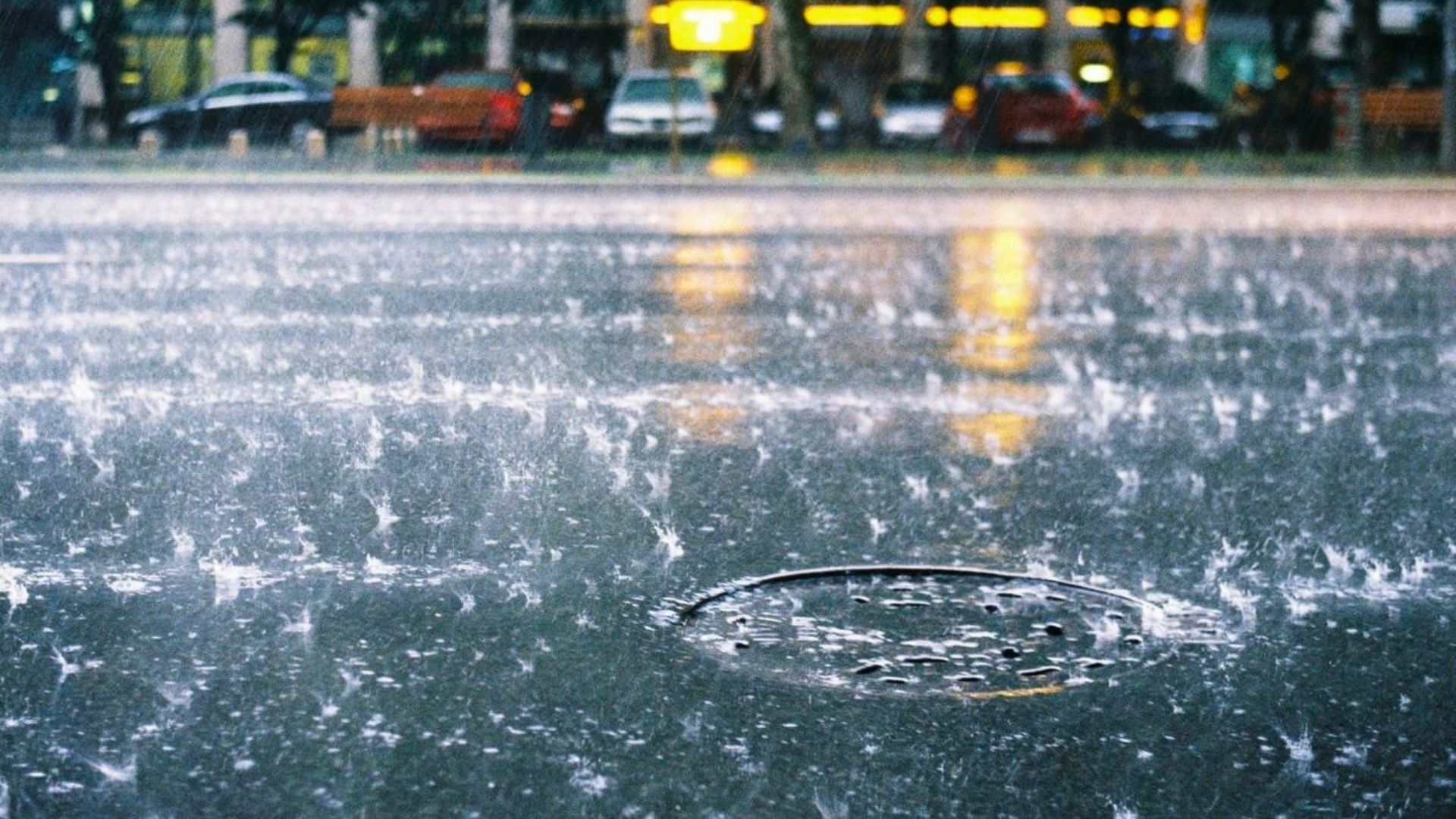
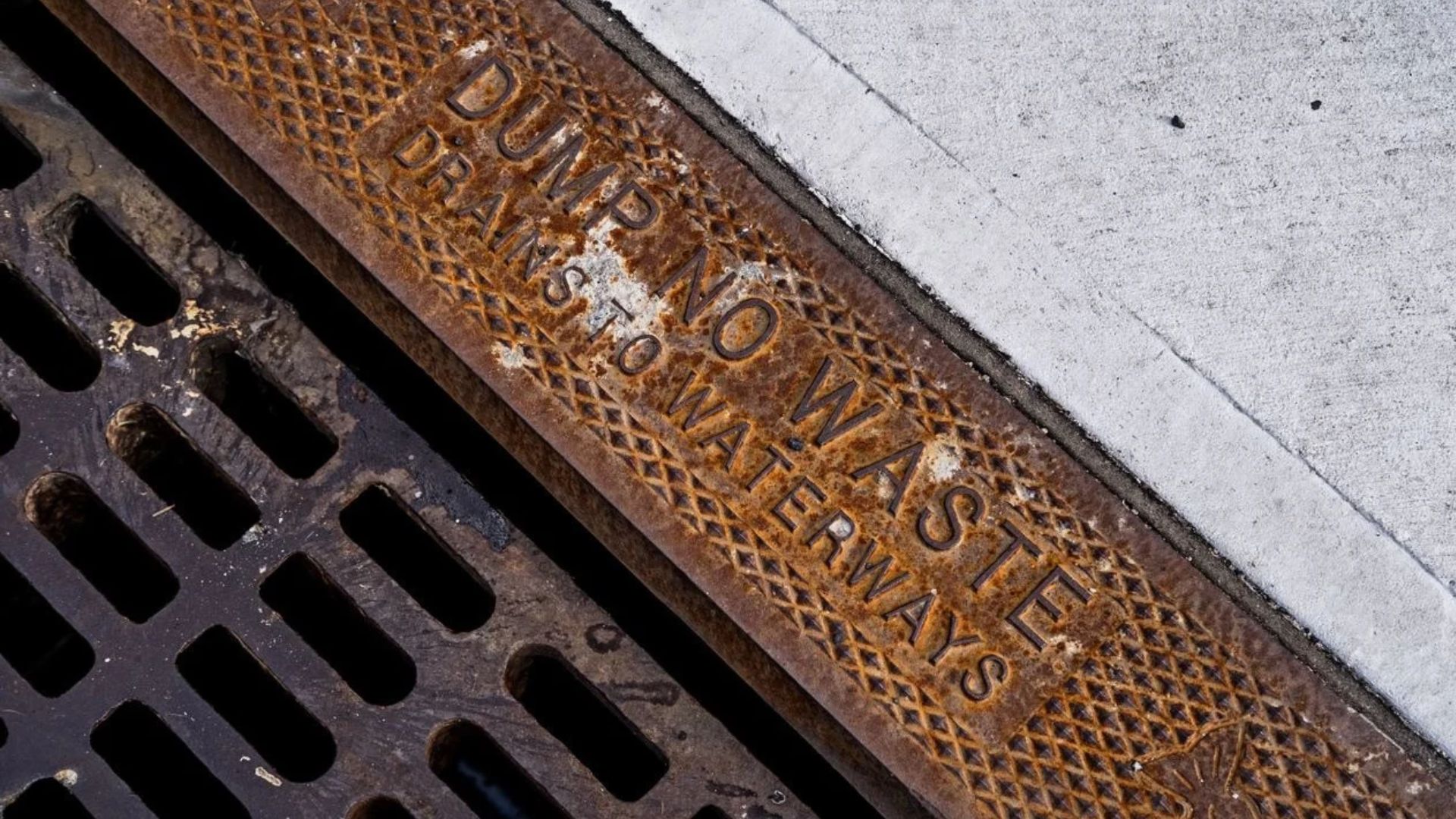
Drainage & stormwater
Levels in storm drains, culverts and retention tanks, with alarms that arrive before the water does. Know which part of the network is filling while the rain is still falling.
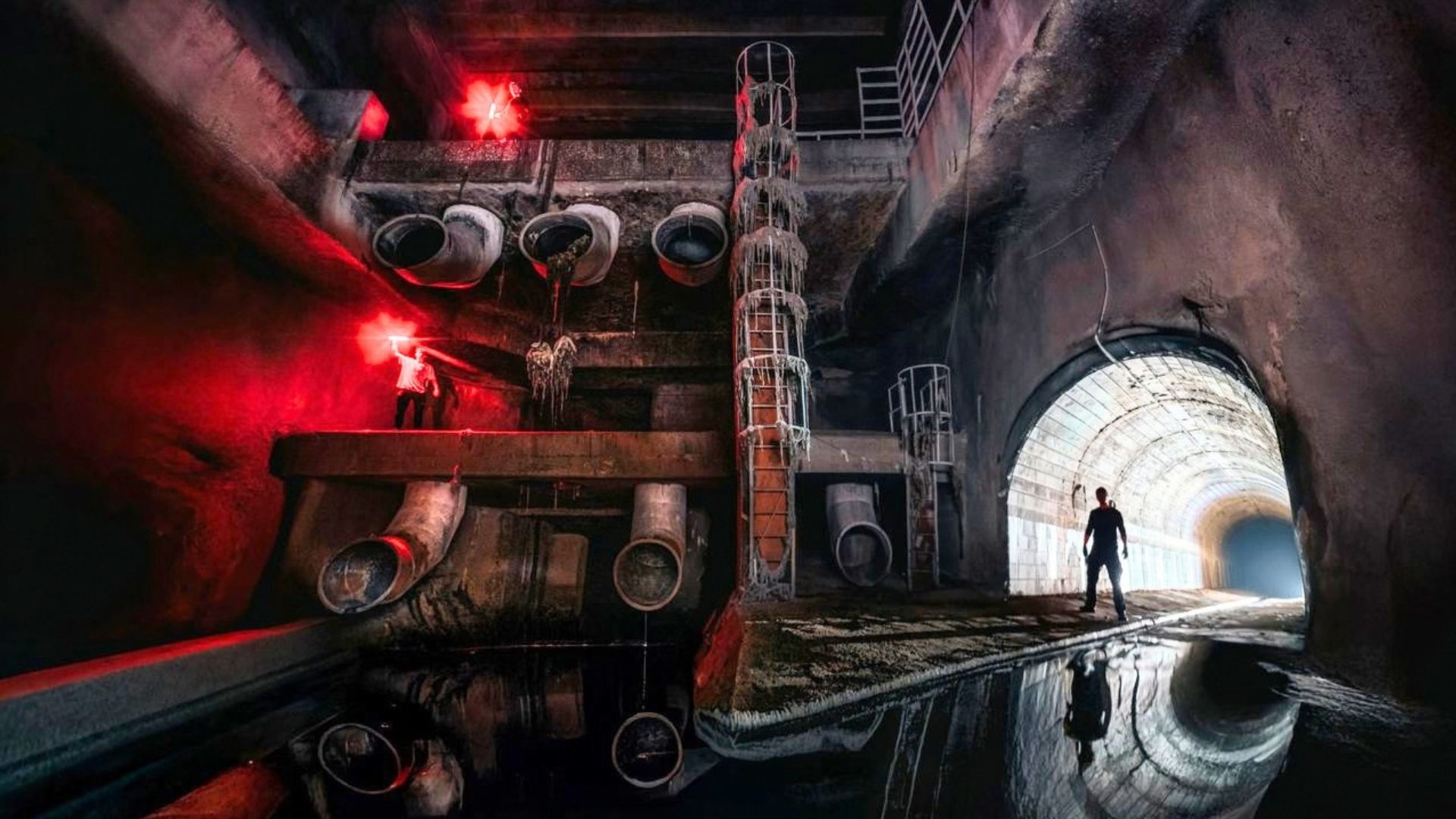
Sewer networks
Level in manholes and wet wells, plus run and fault signals from pump stations. A blockage or a tripped pump shows up as data, not as a spill.
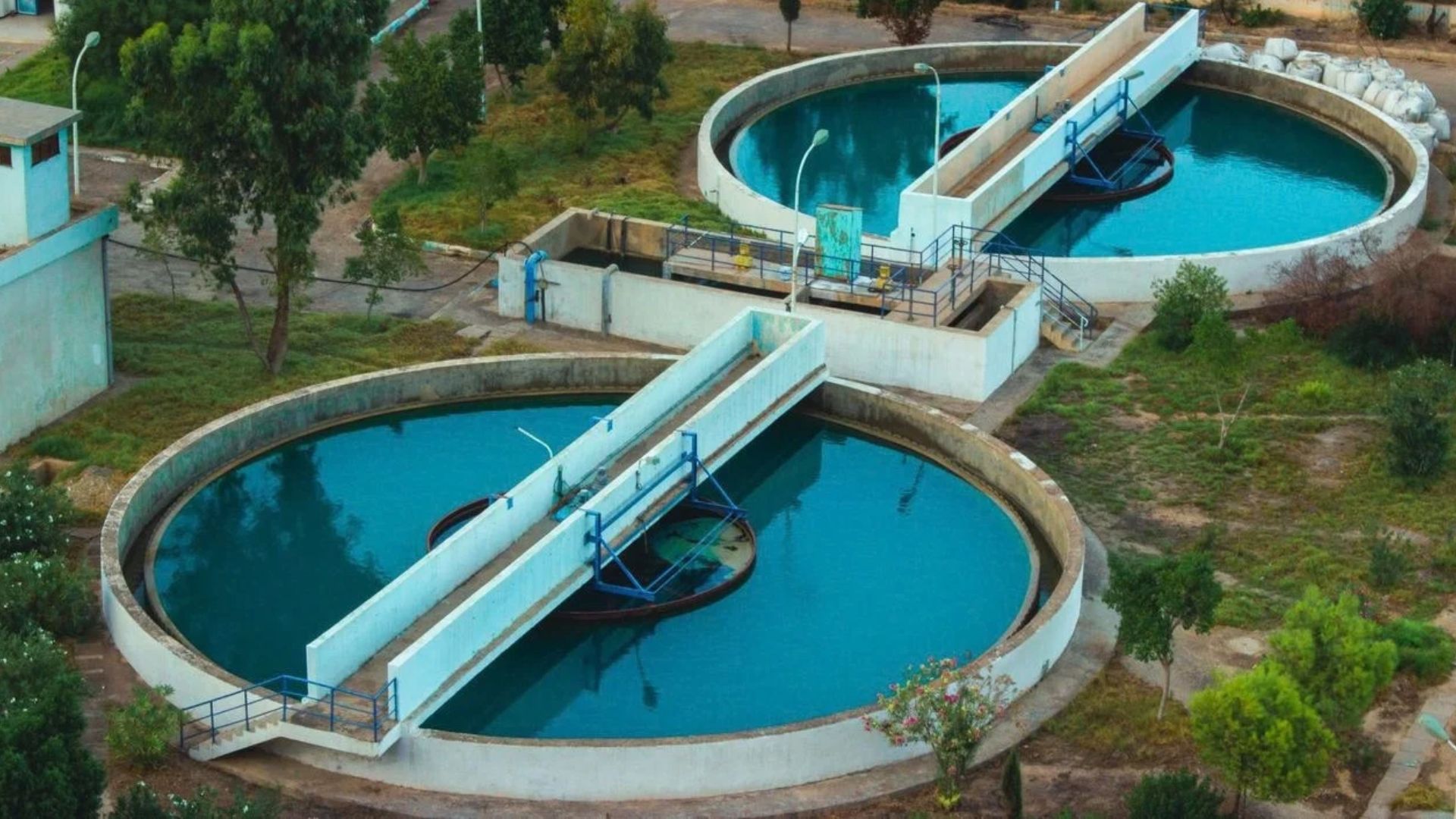
Treatment plants
Inlet flow, tank levels, pressure and pump status across the works, reported remotely from the instruments you already have.
Where it helps
Wastewater networks are managed by hand, and the worst day to send people down is the day it matters most.
Fewer trips down the manhole
Readings and alarms come to you, so crews, cameras and jetters go where they are needed instead of checking points one by one.
Warning before overflow
Level thresholds at critical points give you time to act. Comparing neighbouring points shows where a blockage is building.
Pumps you don't have to visit
Run, stop and fault signals from remote pump stations, read from the panel you already have.
Built for places you can't reach
Sealed IP67 devices on their own battery, reporting over the mobile network. No mains power, no local gateway and no site network. Designed and built in Sofia since 2012, with over 80,000 devices manufactured.
What we measure
Every device reports over NB-IoT, LTE Cat M1 or 2G on an embedded SIM.
Level
Manholes, wet wells, storm tanks and treatment tanks, measured with an ultrasonic sensor from 20 cm to 6 m.
Flow in pipes
Flow in rising mains and plant inlets, so you know how much went through and when.
Flow in open channels
Flow in channels at the edge of the network and at the works.
Pressure
Pressure in rising mains and at pump stations, with alarms when it drops or spikes.
Pumps and existing controls
Digital inputs for run, stop and fault, plus 4–20 mA inputs for the instruments already installed.
Vehicles and equipment
GPS on jetting units, CCTV vans and crawlers, with movement alarms.
What operators ask
From city sewer networks to the contractors who keep them flowing.
We're a private contractor, not a utility. Is this for us?
Yes. Many of the people who run and service wastewater networks are private companies. Monitoring helps you plan crews, prove the work on a maintenance contract and respond faster when the weather turns.
We already have CCTV and jetting. Why sensors?
Cameras and jetters fix a problem once you know where it is. Sensors tell you where and when to send them.
Can you connect to our equipment?
Often, yes. Our loggers read digital and 4–20 mA signals from existing panels and instruments, and the findy IoT Module can be built into third-party equipment. Tell us what you run and we’ll tell you what we can read.
Will it work where we are?
Our devices connect worldwide, using different mobile operators depending on the country, with no local gateway to install.
Who are we dealing with?
One team in Sofia builds the hardware, firmware, connectivity and device platform. The engineer you talk to works with the people who built the device.
How do we start?
Tell us about the part of the network that causes the most call-outs. An engineer will come back with what makes sense to measure first. Already know what you want to measure? Tell us, and we’ll tell you honestly whether our hardware can do it.
Start a conversation
Bring us the problem you already understand. We bring the hardware, connectivity and platform to measure it.
By sending this form you agree to our privacy policy.